Chromecast is great — until you try to use it like a real PC audio solution.
If you've ever asked:
- "Why can't I cast my PC sound to Google Nest?"
- "Why do only some apps work?"
- "Why is there a delay?"
You're not imagining things. Chromecast was never designed to stream full Windows system audio. If you want a solution that works, check our complete guide to streaming PC audio to Google Nest.
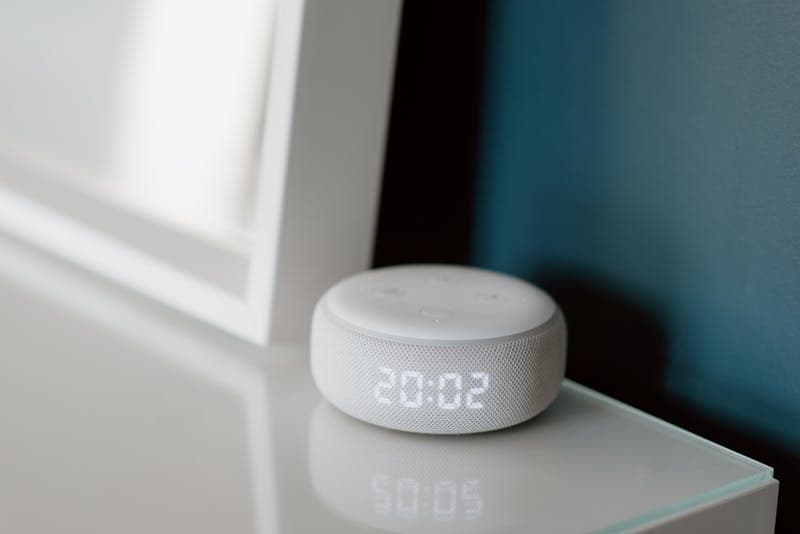
What Chromecast Was Designed For
Chromecast is built for media playback, not system audio.
Specifically, it's designed to:
- Stream audio/video from apps or browsers
- Pull media from the cloud
- Receive encoded streams, not raw audio
When you cast something, your PC usually isn't sending audio at all. It's just telling the speaker where to fetch the stream from. That design choice is the root of the problem.
The Core Limitation: No Access to System Audio
Windows system audio includes:
- App sounds
- Games
- Notifications
- Desktop audio
- Mixed audio outputs
Chromecast cannot access this directly. It only understands:
- Media URLs
- Encoded streams
- App-controlled playback sessions
That's why Chrome tab casting only works sometimes.
Why Chrome Tab Casting Feels Broken
When you cast a Chrome tab:
- Chrome captures the tab audio only
- Audio is re-encoded
- Video and audio are buffered heavily
- Latency increases dramatically
What you don't get:
- Other apps
- System sounds
- Games
- Consistent sync
If you close the tab — the audio stops. If another app plays sound — nothing happens. It's not a bug. It's a design limitation.
Latency: The Other Big Issue
Chromecast prioritises buffer stability, not speed. That means:
- Audio is queued
- Buffers are filled
- Sync is maintained for streaming media
For system audio, this results in:
5-30s
Delay
Desync
Audio/Video
Unusable
For games/calls
Even on a fast network, the delay is structural. Learn how to fix audio delay when streaming to Nest →
Common Workarounds (And Why They're Bad)
Bluetooth
- High latency
- Dropouts
- One speaker at a time
- No speaker groups
HDMI / TV Routing
- Expensive
- Adds more delay
- Complex setup
- Defeats the point of Nest speakers
Virtual Audio Devices + Chrome
- Fragile
- Breaks on updates
- Still limited by Chromecast buffering
Most guides stop here — because they don't understand the real constraint. See our full comparison of all streaming methods →
What Actually Works (And Why)
To stream full PC system audio reliably, you need:
- Local audio capture (Windows output, not app streams)
- Local network streaming (not cloud fetch)
- Direct Nest / Chromecast device targeting
- Control over buffering and sync
- Support for speaker groups and stereo
This requires a dedicated PC audio streaming approach.
Dedicated PC Audio Streaming Explained
Instead of asking Chromecast to pull audio, the PC:
- Captures its own system output
- Streams it directly over the local network
- Treats Nest speakers as audio endpoints
- Maintains consistent timing
This bypasses:
- Chrome limitations
- Cloud buffering
- App-specific playback
It's the architectural difference that matters.
Why PC Nest Speaker Exists
PC Nest Speaker was built specifically to solve:
- Full system audio capture
- Lower-latency local streaming than browser casting
- Google Nest speaker compatibility
- Stereo and speaker group playback
No Chrome tab hacks. No Bluetooth compromises. No cloud relays.
When Chromecast Is the Right Tool
Chromecast is excellent for:
YouTube
Spotify
Netflix
Cloud Apps
It just isn't a PC speaker solution. Using it that way exposes limitations that were never meant to be solved by Chrome or Google Home.
Final Takeaway
If Chromecast feels unreliable for PC audio, it's because:
- It wasn't built for that job
- It can't see system audio
- It prioritises buffering over responsiveness
Once you understand that, the solution becomes obvious. If you want a reliable way to stream PC audio to Google Nest speakers, PC Nest Speaker is built specifically for Windows and avoids the limitations of browser casting.